Recognized August 22, 2026
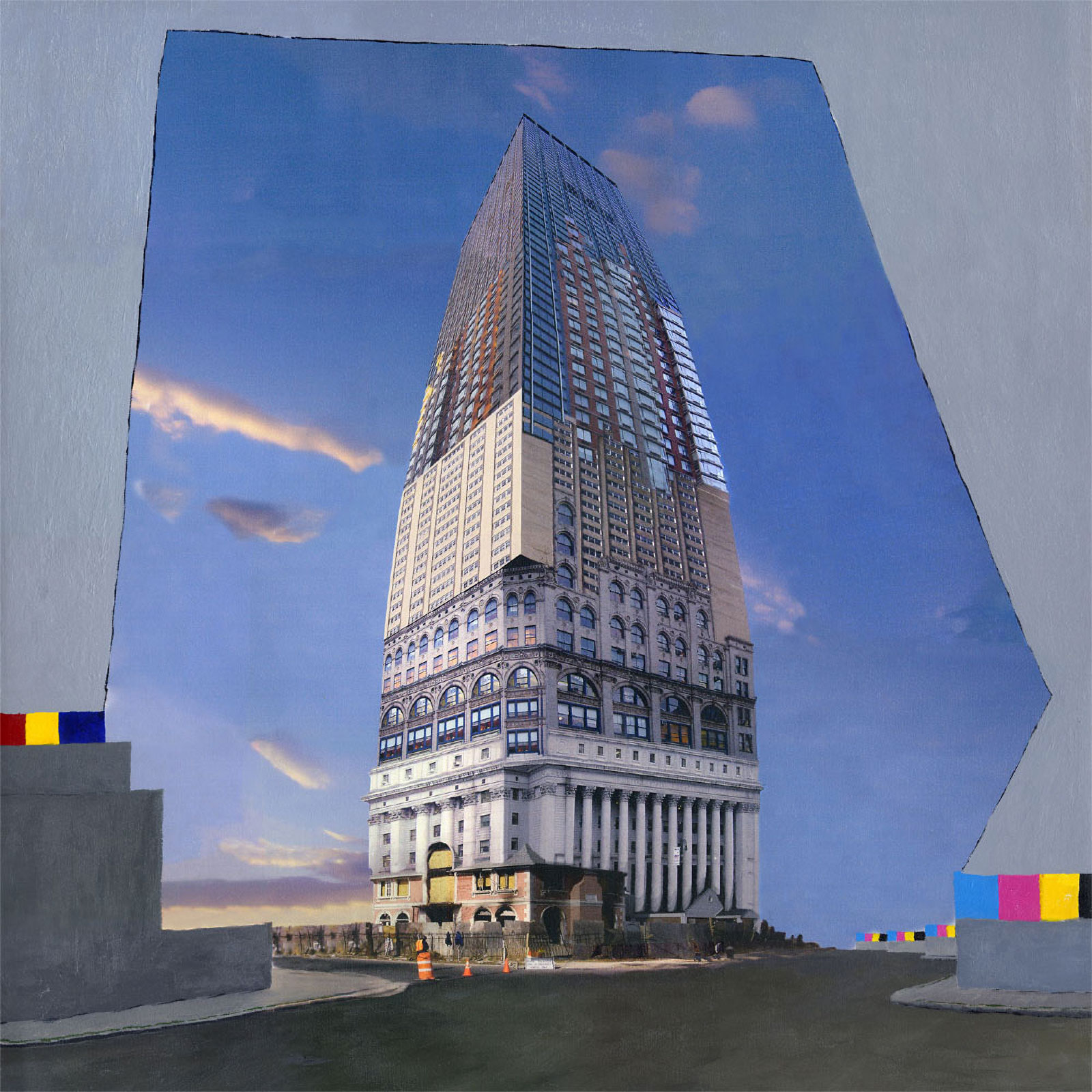
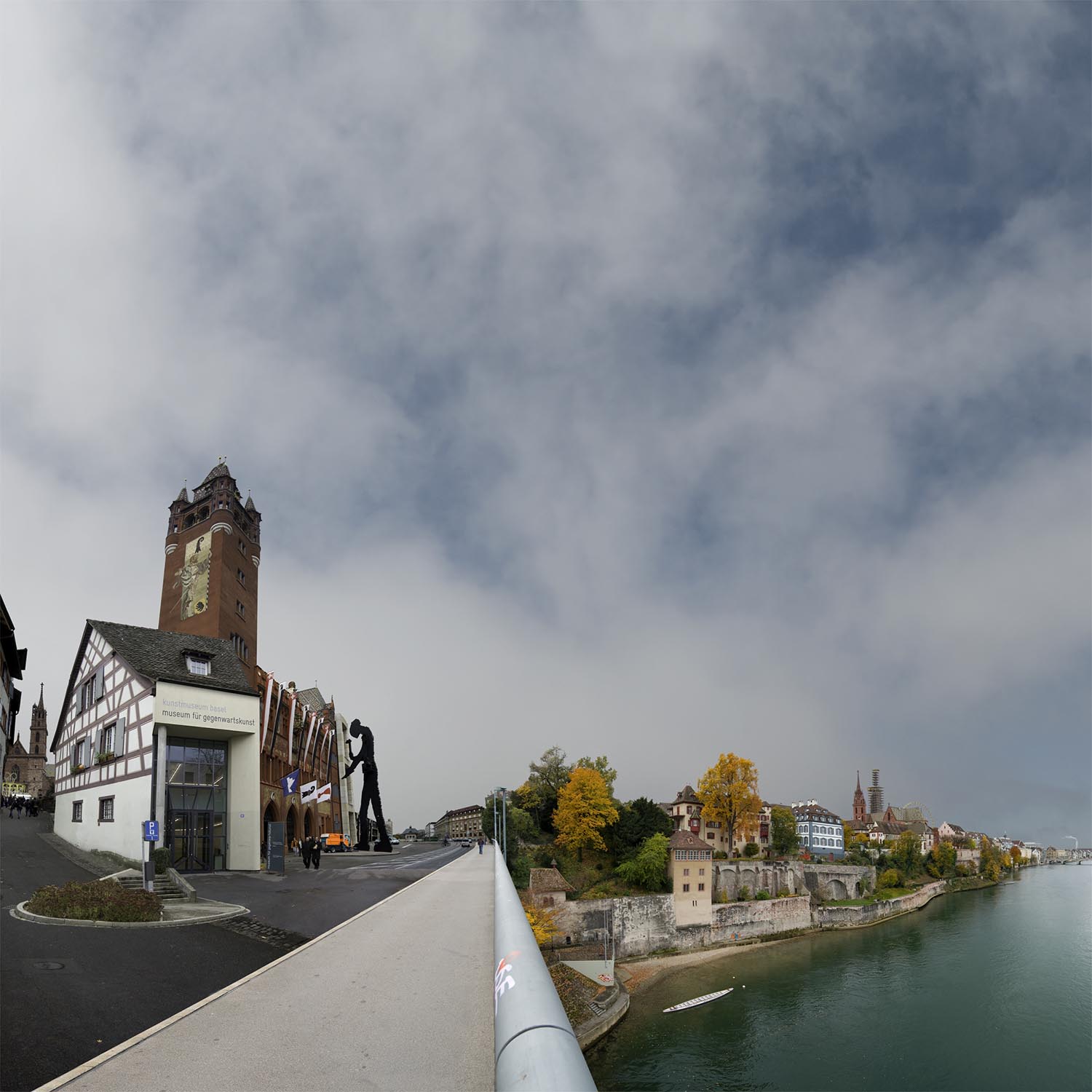
In Transition, RGB (three channels, light-based, screen/photograph) transitioning to CMYK (four channels, pigment-based, print/paint) carries a quiet structural echo of the sacred number four in Native American Church tradition -- present in the artist's own thinking at the time of making, though less overtly than in Prophecy or the later Four Nations. The choice to render the photograph in acrylic on canvas, rather than let it stand alone, was primarily an identity decision ('I still thought of myself as a painter') rather than a conceptual one -- framing the RGB/CMYK tension as a negotiation over whether the photograph needed the painter's hand to count as the artist's own work. This negotiation is later resolved in the opposite direction in Basel Switzerland (Digital City Series), where no paint remains and the artist's hand relocates into the skateboard as instrument of perception rather than disappearing.
Related works
Confirmed across 1 session
Originating session
Also from this session
- Bio: Left Hoge School voor de Kunsten (Utrecht) before completing the program after finding the teaching inadequate; began se…
- Bio: Left Hoge School voor de Kunsten (Utrecht) before completing the program: the concept-based curriculum was a shock, and …
- Throughline: A self-taught, no-institution-exists-yet pattern recurring across the practice: skateboarding (learned socially among pe…
- Throughline: Transition and Art Collision were made specifically against the version of the European, subsidy-dependent art system th…
- Throughline: An invented-to-lived Romanticism arc: Nature vs Nurture (1994) uses the cross as a generic, Dalí-derived symbol of belie…