← Statement
Recognized August 31, 2026
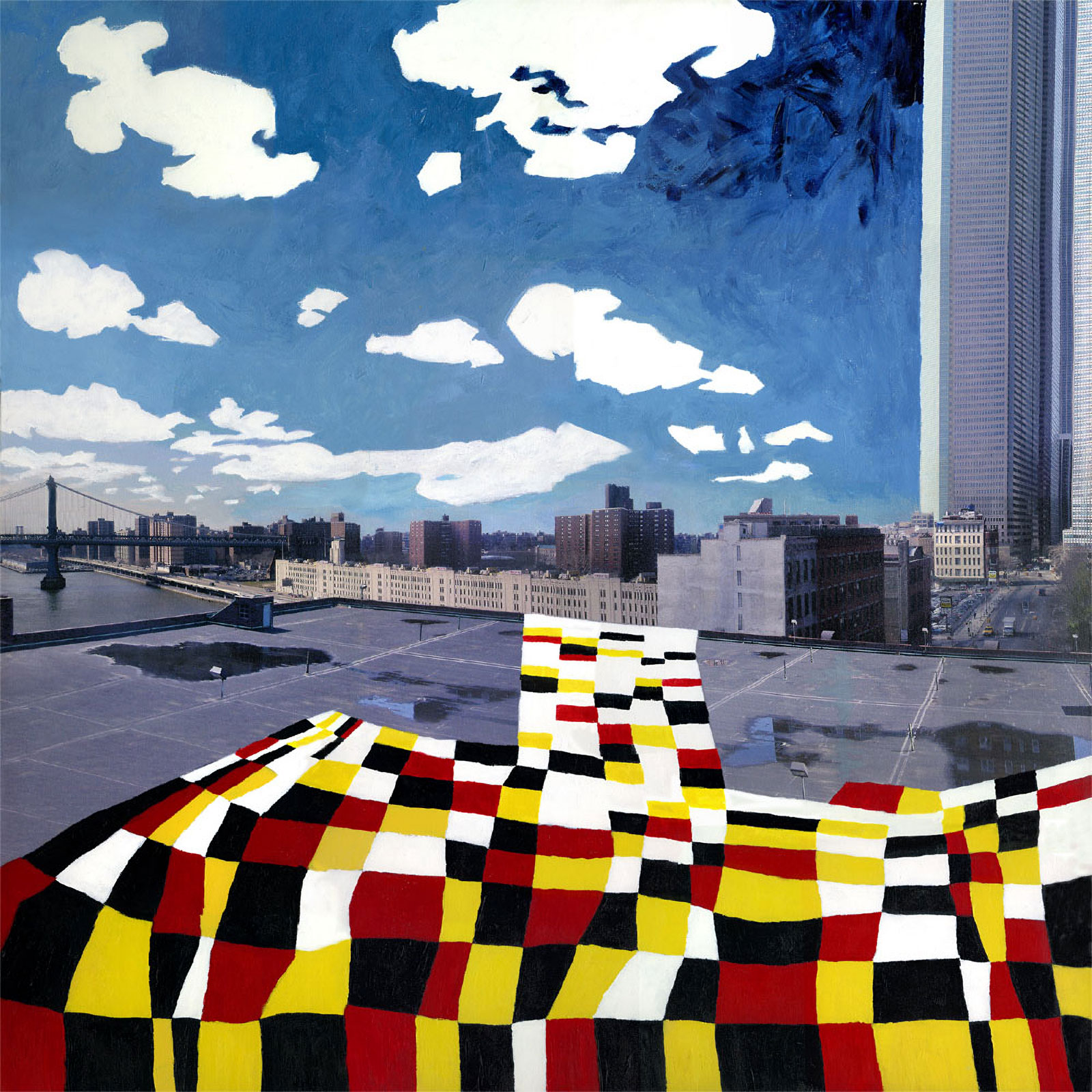
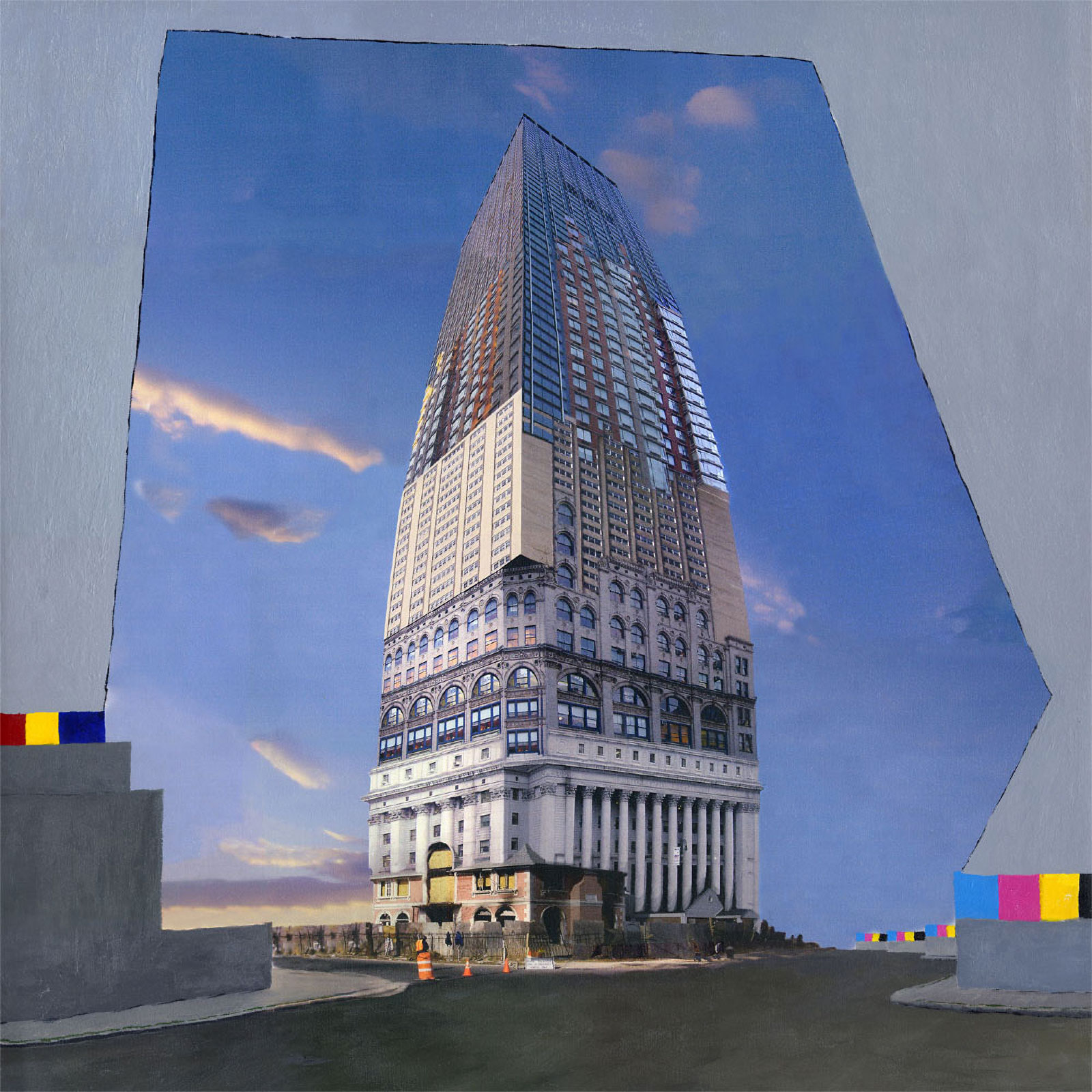
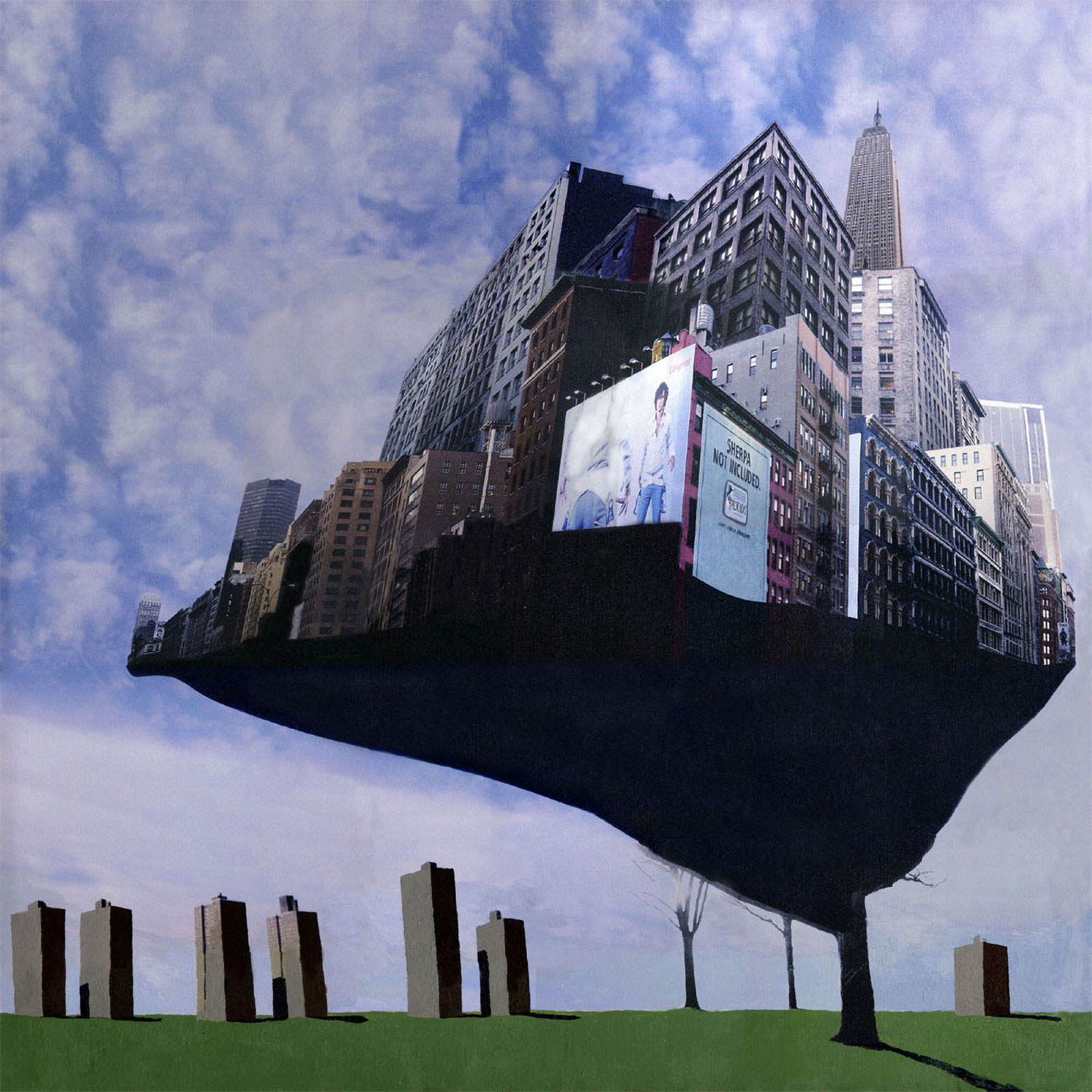
Art Collision stands as the unrepeated hybrid moment in Bolter's practice -- the only body of work where a manipulated/composited photograph and visible, hand-worked paint coexist openly on the same surface at once, each declaring itself as itself. Every series since has picked up one half of that original pairing and run with it alone: Digital City Series and Megacities retain the photographic manipulation but drop visible paint entirely, letting constructed unreality hide inside scenes that read as documentary; A Colorful History retains the paint-on-photograph logic but applied to historical rather than the artist's own composited images. The artist has recognized during this session that recombining both strategies on one surface again has occurred only as a passing thought since Art Collision, not as active intent -- each strategy has instead been worked out separately, at length, on its own terms. The artist holds open, without resolving, whether a future formal problem might one day call the combination back the way the checkerboard in Four Nations originally emerged: as an unforced solution rather than a deliberate return.
Confirmed across 1 session
Originating session
Also from this session
- Throughline: A foundational tension runs across Bolter's work wherever photograph and paint meet: the photograph as the settled, fixed, already-resolved register, and paint as the register that keeps something open -- worked through, still becoming. This distinction first became explicit to the artist through reflection on oral tradition versus written/searched information (a story heard vaguely from elders on the Global Peace Walk 2000, later found online in confident, resolved form -- illustrating how the fixed and written can foreclose the wondering the vague and spoken invites). Recognized as active from Art Collision onward -- most explicitly in Four Nations, where an undulating hand-painted checkerboard sits against fixed photographic elements -- and running forward into A Colorful History (paint worked directly onto historical photographs) and, in altered form, into Digital City Series and Megacities, where the hand relocates from canvas into the artist's own physical movement through a place, and the photograph's fixed authority is undermined only quietly, from within the image itself, rather than by visible paint. Recognized as a possible foundational idea of the artist's entire photo-and-paint (and photo-collage) practice, not limited to any single work or series -- a realization arrived at only now, decades after the work, through the archive process itself. Field context: this tension corresponds to a recognized genre in contemporary art criticism termed 'overpainting,' whose historical arc runs the same direction as the artist's own practice -- originating in the 19th century as a technique to lend verisimilitude to photographs, later inverted by artists (Anselm Kiefer, Shirin Neshat, Mario Schifano, Luigi Ontani, Youssef Nabil, Peter Beard, among others) to instead undermine the photograph's claim to objective documentation; none of these artists known to Bolter at the time. Specific artist relationships, in order of exposure: Sigmar Polke's Rasterbilder (Barcelona exhibition c. 2000, pre-dating Art Collision, vividly remembered) is the closest structural match, though the settled/open framing itself was not consciously held at the time. Gerhard Richter's blur paintings were known by this period, timing uncertain; his overpainted-photograph series was only encountered in 2026 at the Neue Nationalgalerie -- recognition, not influence. Richard Hamilton entered the artist's awareness around 2010, after Art Collision; his 'continuity' model (paint drawing out qualities already latent in a photograph) does not fit Art Collision but may bear on the later, purely photographic unreality of Digital City Series and Megacities -- flagged as a looser, still-untested connection.…